
About Lara Dawn
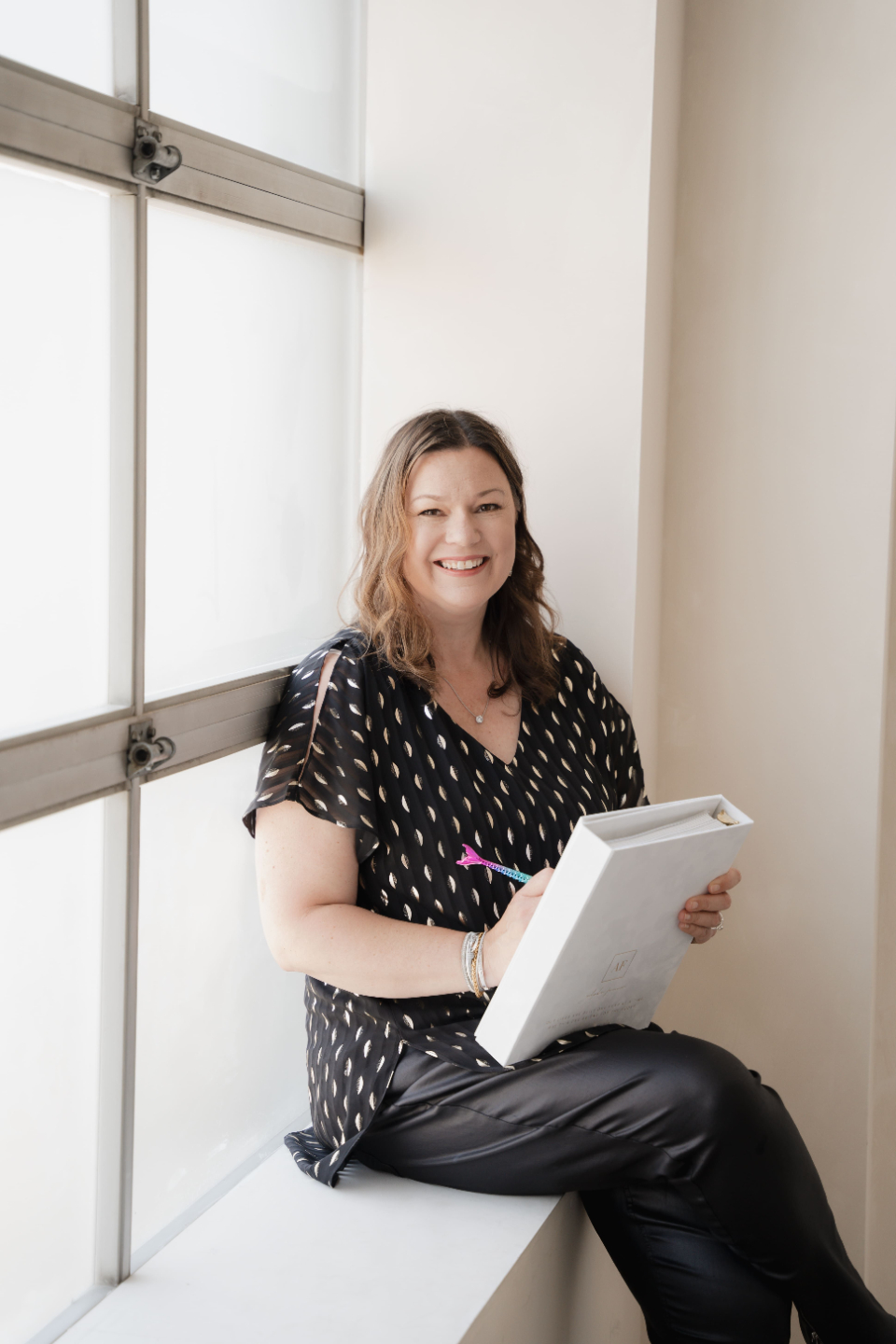
Hi, I’m Lara Dawn, founder of The ADHD Village, creator of the LOVE Ü Parenting Method, an elementary school teacher with over 25 years of experience, and a certified Rapid Relief Technique (RRT) practitioner.
I support parents raising neurodivergent, highly sensitive, and big-feeling kids to move from chaos and burnout into connection, confidence, and ease. My work blends neuroscience, nervous system regulation, emotional intelligence, and energetics to help families thrive.
I believe this deeply: ADHD is not a deficit. It’s a design. And sibling conflict is not a parenting failure. It’s an opportunity for growth when you have the right support.
Why Sibling Fighting Happens
(And Why It’s Not the Real Problem)
Sibling conflict isn’t about toys, turns, or who started it.
It’s about:
- Competing nervous systems
- Unmet emotional needs
- Developing executive function
- A deep desire for safety, attention, and belonging
In homes with ADHD or highly sensitive kids, emotions move fast and loud. When the nervous system feels threatened, siblings become the closest and easiest target.
The goal of conscious parenting isn’t to stop all conflict. The goal is to teach regulation, repair, and relationship skills.
That’s exactly what the LOVE Ü Parenting Method was designed to do.
The LOVE Ü Parenting Method for Sibling Conflict
Ü — YOU First: Regulate Before You Intervene
Sibling fights are one of the biggest triggers for parents. They often activate our fear, our childhood wounds, and our belief that good parents should stop this immediately.
Before stepping in:
- Drop your shoulders
- Take a slow breath
- Ground your feet
- Remind yourself: No one is in danger. This is a learning moment.
Script for yourself:
“I am the calm leader in this moment. I can slow this down.”
Your regulation is the foundation for everything that follows.
L — Listen Deeply
(Beyond the Words)
What kids say during a fight is rarely the truth of what’s happening.
“He took my toy” often means:
- I feel unseen
- I need control
- I’m overwhelmed
- I’m scared I don’t matter
Scripts to use:
- “I see two kids who are really upset.”
- “This feels big for both of you.”
- “Something isn’t working right now.”
Listening deeply doesn’t mean solving. It means creating emotional safety.
O — Oxytocin Before Logic
Brains in conflict cannot access empathy, reasoning, or problem-solving. Connection comes first.
Ways to increase oxytocin:
- Lower your voice
- Get physically close without grabbing
- Make gentle eye contact
- Use your child’s name
- Place a hand on a shoulder if welcomed
Script:
“I’m right here. You’re safe.”
“I love you. It’s OK.”
When safety rises, logic follows.
V — Validate Without Picking Sides
Validation is not about fairness or blame. It’s about emotional truth.
Scripts:
- “You’re really angry.”
- “You didn’t like that.”
- “You both wanted the same thing.”
Avoid minimizing or fixing too quickly.
Validation teaches kids: My feelings matter and I can handle them.
E — Emotions Are Energy: Help Them Move
Sibling fights are emotional energy with nowhere to go.
Helpful ways to move emotions:
- Shaking it out
- Jumping
- Squeezing a pillow
- Taking space
- Deep breathing together
Repair questions once regulated:
- “What could help next time?”
- “What do you need from each other?”
- “How can we fix this together?”
Repair builds responsibility without shame.
Preventing Sibling Conflict Before It Starts
The most powerful conflict prevention tool is connection.
1. Special Time (Child-Led Play)
Each child needs consistent, predictable time where they feel chosen.
Guidelines:
- 10–15 minutes
- One-on-one
- Child leads
- No teaching, correcting, or phones
Script:
“This is your time. You get to decide what we do.”
This fills the emotional cup and reduces competition.
2. One-on-One Parent Time
Children don’t fight as much when they feel securely attached.
Even small moments matter:
- A walk
- A bedtime chat
- A shared snack
Connection compounds.
3. Ask for Help and Increase Adult Attention
Many sibling fights are bids for adult connection.
If possible:
- Ask a partner for support
- Swap childcare with a friend
- Bring in help
More regulated adults = fewer dysregulated kids.
4. Take Care of Yourself (This Matters More Than You Think)
Your nervous system sets the tone for the home.
When you’re exhausted, overwhelmed, or unsupported, conflict rises.
This is why Warrior Mamas exists.
It’s not about fixing kids. It’s about supporting you.
When moms feel held, kids soften.
Client Story: Two Sisters, Constant Conflict
One of my clients came to me feeling hopeless.
She had two daughters who fought constantly. The fights were loud, emotional, and exhausting. Beneath it all was jealousy and competition for attention.
Using the LOVE Ü Parenting Method, we focused on:
- Validation instead of correction
- Special one-on-one time for each child
- Slowing down reactions
- Helping emotions move through the body
- Supporting mom inside the LOVE Ü Parenting Classroom
What changed?
The girls felt seen. They felt valued. They felt secure.
Mom felt supported and hopeful.
Over time:
- Fights became less frequent
- Explosions became smaller
- Repair happened faster
- The home felt calmer and more connected
Today, disagreements are few and far between. When they happen, they’re manageable.
Not because the kids changed overnight. But because the nervous system of the family shifted.
Ready for Support?
💗 Join the LOVE Ü Parenting Classroom
Inside the LOVE Ü Parenting Classroom, you’ll learn:
- Scripts for sibling conflict
- Emotional regulation tools
- ADHD-informed strategies
- Nervous system repair
- Parenting with confidence and ease
This is where parents stop reacting and start leading.
✨ Join the LOVE Ü Parenting Classroom and step into a calmer, more connected family life.
🌿 Want deeper support?
Warrior Mamas is for mothers ready to feel supported, regulated, and empowered.
Because when moms feel strong and held, families thrive.
You are worthy of support. Your family is worth the investment.
With love and belief in you,
Lara Dawn